
The Coasts of Uruguay & Brazil
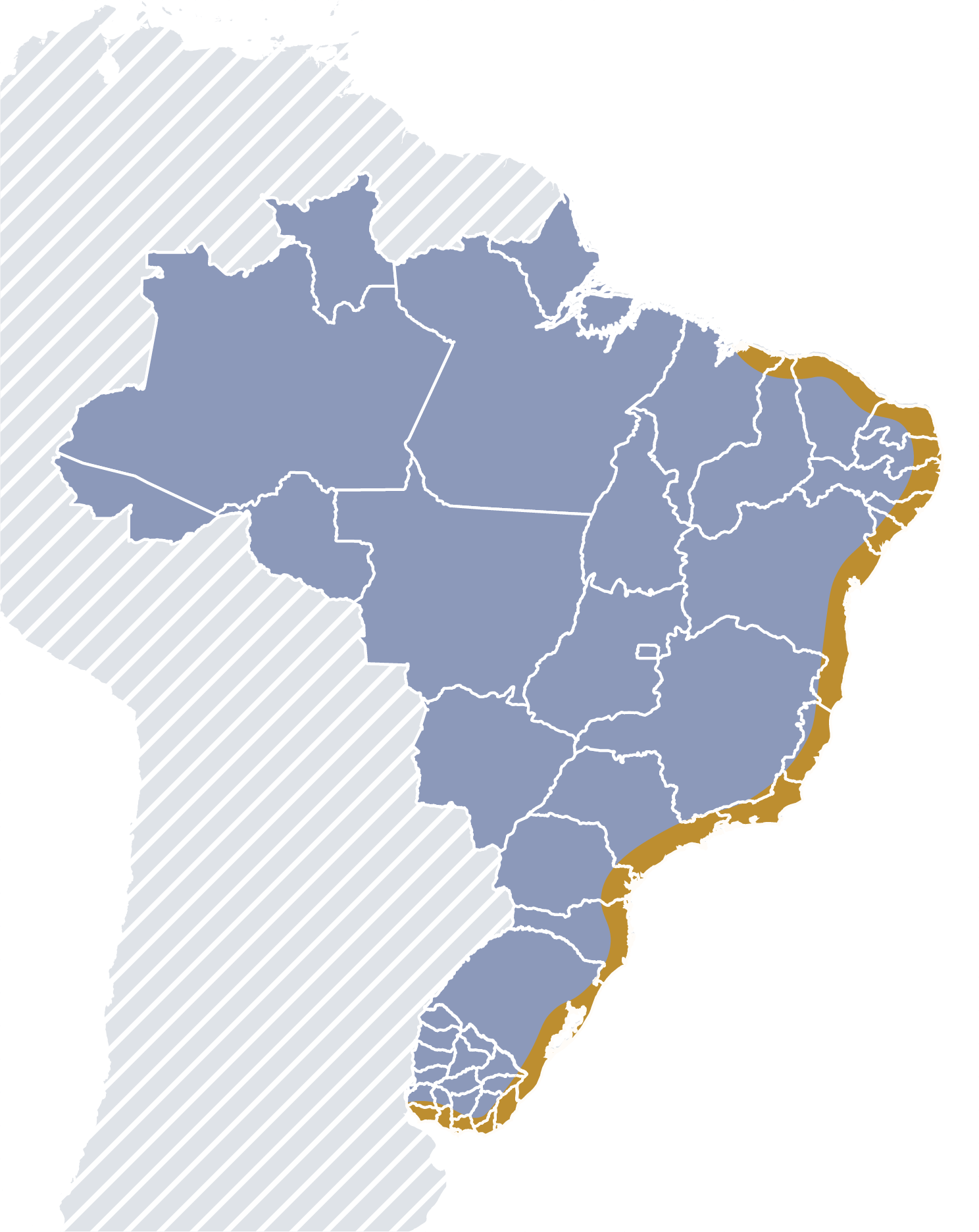
The Uruguayan coast is not your typical beach destination, the sea is generally murky and cold, the coastal scenery is predominantly flat and the towns are not initially overly inspiring. However, if you go with this in mind, you’ll quickly see why it has become one of South America’s most popular. At the top of the list of reasons are the people, Uruguayans are famously welcoming, friendly and laid back. However, their easy going outlook to life does not stop them providing an incredible service industry. The food is fantastic, boasting some great local restaurants and many of South America’s best known chef’s set up pop restaurants during the summer months. And, they may not have the panoramic wow factor of Brazil’s coastal scenery, but the beaches are still beautiful: seemingly endless stretches of soft white sand, perfectly maintained and the sea is chilly though, on one of the long hot days, it is wonderfully refreshing. It is also not uncommon to see Dolphins leaping out of the water, as they cruise along, just a few metres from the shore. There are times and places in the high season that have a heady nightlife though generally it does not have the lively nights of other beach destinations. However, if you are looking for a place to simply wind down and let your troubles drift away, there are few places that can beat it. The Uruguayan coast also has the nearest nice beaches to Buenos Aires city so many porteños have many happy memories there. Hugh & Paulo, the owners of Macdermotts, even chose it for their wedding. So, we do love Uruguay, just don’t go expecting palm trees, pina coladas and snorkelling in coral reefs with multi coloured fish!
On the other side of the coin, if you close your eyes and imagine the quintessential beach destination, you’re most likely envisaging Brazil. Tropical rainforest trees cover the hills that frame much of the coastline and the trees thin out and change to Palm trees as the slopes reach the stunning beaches. An effervescent vibe follows you wherever you go, even in the sleepiest of fishing villages. Bright colours, warm clear waters with a buzzing welcoming nightlife and groups of musicians who seem to spontaneously appear out of nowhere. The first time Hugh and Paulo travelled to Brazil was to visit friends who live on the little known island of Boipeba, situated just off the north eastern coast. During their stay, in a little cabin in the middle of the jungle, a few metres from the beach, in amongst the cacophony of a torrential rainstorm and the orchestra of the jungle, Hugh proposed to Paulo underneath a mosquito net, cementing their love and our connection with Brazil and each year we return to explore a different destination along on the coast.
Where to go & What to do
URUGUAY (from south to north)
- Colonia del Sacramento: not really a beach destination, but it’s well worth the stop if you’re taking the ferry over from Buenos Aires, and the beach on the river is nothing to write home about but perfectly pleasant. More interesting is the town which has maintained much of its Portuguese Colonial style and has some good restaurants and there are several local wineries to visit.
- Jose Ignacio: a laid back little beach town with some fantastic restaurants and our favourite spot on the Uruguayan coast (it was where Paulo and Hugh’s wedding was held so we may be a little biased!). It also has some of our favourite hotels in the country and it’s only a short drive from some wineries that have been making big waves in the industry in recent years.
- Cabo Polonio: a perfectly preserved traditional Uruguay coastal village. It is located in a protected area and there is little to no access to any mod cons – including mains electricity and water, which comes purely from solar panels and bore holes. If you’re looking to totally disconnect, it’s the place to be and also has some huge (up to 30 m) sand dunes (which you travel through to get to the village) and a colony of sea lions who have set themselves up a short walk from the village
- Punta del Diablo: a fun, chilled out surfer town that attracts a younger visitor and, unlike much of the Uruguayan coast, it has a slope rising up from the beach so most houses have great views.
BRAZIL (from south to north)
- Florianopolis: the closest destination to Buenos Aires and one of the few places, that have some more exclusive accommodation options as well as a nearby airport with a direct flight to the Argentine capital.
- Rio de Janeiro: the ultimate city beach experience, with a great nightlife. However, there are also a variety of accommodation options in smaller towns, close enough to Rio to experience the city but far enough away to have a break from the bustle when you need it.
- Trancoso: one of the most beautiful towns on the Brazilian coast and home to possibly the most incredible beach hotel in South America.
- Boipeba and the Cairu Archipelago: an enchanting, very excluded archipelago off the coast of the north eastern state of Bahia.
- Fernando de Noronha: an island off the northern coast, declared a marine national park in 1988, only 420 tourists are allowed on the island at any one time, making it possibly the most exclusive of all destinations on the Brazilian coast. The island lies within a volcanic archipelago of 21 islands and the waters are teeming with colourful fish, dolphins, lobsters, turtles, sponges and corals, making it a great destination for diving and snorkelling.
- Jericoacoara: the most northern destination we work in, known for its stunning sand dunes and some excellent windsurfing and kitesurfing options.
Travel logistics
- By including the coast of Brazil we are able to offer time on the beach pretty much all year round. If you are looking for a more private experience, an interesting nightlife, or a certain activity, the dates are more important. However, if you let us know your preferences, we’ll make sure to send you to the beach that fits you best.
- Between Uruguay and Brazil we are talking about a very long stretch of coastline and weather can be varying, though, as a very general rule, in the Autumn/Winter months (April to September) head north and in the Spring/Summer ones (October to March) head south.
- The most accessible beaches from Buenos Aires are in Uruguay, which you can get to by ferry across the River Plate.
- The Iguazu Waterfalls can link well with Rio de Janeiro and Sao Paulo, as there are direct flights from Foz de Iguaçu, which is just over the border from Argentina’s Puerto Iguazu.
- There are also direct flights from Buenos Aires to Rio de Janeiro and Florianopolis.
- Unless you are happy to charter flights, many of the destinations further north in Brazil are trickier to get to, particularly those situated on islands, some of which require several flights, boats, and even tractor-taxis to get to. We always do everything we can to alleviate the stress of travelling, though at times there is little we can do, and it is important to factor in at least a day’s travelling when going to more remote regions. We can only say that, if you have the time, these regions are worth every inconvenience to get to.
Things to keep in mind
- The obvious is of course the rising temperatures around the globe. Irrelevant of your skin type the sun can be very powerful and you want to make sure you have good protection and access to shade.
- The Brazilian government has a habit of changing their visa rules so, during the planning of any given trip, we would advise on any updated information and do everything we can to help to make the process as stress-free as possible.
- As we only work with a very select group of accommodations along the Uruguayan and Brazil coasts, availability is more of an issue, so the more time in advance you give us, the better the chance we have of getting you to the beach destination of your dreams.
Example Itineraries
Some examples of our favourite trips that we’ve organised over the years:
What our guests say
Posted on Google
 k K
k KTrustindex verifies that the original source of the review is Google.
Adriano La Croce at MacDermott's in Buenos Aires put together an absolutely spectacular trip for us from Santiago, Chile to Torres Del Paine, to El Calafate, to El Chalten and, finally to Buenos Aires. The transports between locations were seamless, the accommodations at Camp Patagonia in Torres Del Paine, Explora in El Chalten, and the Hotel Hub Porteno in Buenos Aires were first class and the service could not have been better. Adriano set up restaurant reservations for us, made changes quickly when we wanted to do something we hadn't planned, and was very easy and pleasant to work with. One of our best trips ever, and we've travelled a lot.Posted on Google Martin RoweJust returned from a fabulous trip across Patagonia, organised by Hugh and the Team. They found some fabulous places for us to stay, and made life very easy for us. Especially when our internal flight was cancelled through a strike, they rebooked us next day with no hassle. It's a huge and varied Country but Macdermotts certainly managed to help us get the most out of our tripPosted on Google
 Annie DunneHugh, Paulo and the entire team at MacDermott’s organised the most wonderful trip for our honeymoon. We covered 3 countries in South America and everything ran so smoothly, we didn’t have to think about a thing because they had it all covered. We couldn’t recommend MacDermott’s more highly!Posted on Google
 Susan GlazerArgentina was all we hoped for and more! Thank you to Jimena and the MacDermott’s Argentina team for a beautiful and unforgettable trip! Although we entered this journey with little knowledge of South America or Argentina, we were expertly guided by Jimena from the first conversation and over many others. Our trip was tailored to many specifications--private tours, drivers, boutique hotels, restaurant reservations and unique experiences. We felt very cared for and the lines of communication were open for any questions or guidance. We had a fabulous mix of nature and city--from the incredible Buenos Aries, to Bariloche, Salta and the Iguazu Falls. Argentina is a large country that required good planning and navigation to optimize our experience over the 2 weeks we had. Jimena helped us organize an itinerary that kept us on schedule--knowledgeable and fun English-speaking guides who met us at our hotels, local drivers, boats and many planes. Her recommendations gave us experiences we might never have found or tried. We were leery of our private tango lesson and day in Tigre--with Jimena’s encouragement we agreed and these activities became some of our most memorable travel experiences. We were also able to incorporate some much-appreciated free time into our days for wandering or relaxation. We would highly recommend Jimena and the MacDermott’s team to personalize a trip to Argentina. Thank you again!!!!Posted on Google
 Joan McKey100%SATISFIED I did some research and based upon reviews, selected MacDermott’s. I was contacted by Jimena and she was our »person » for several months. I have zero negative comments. Jimena listened to my requests, made suggestions and we arrived at an itinerary that looked good. It certainly was! She was able to personalize our trip nicely. I appreciate that Jimena has long standing relationships with suppliers, drivers and guides. This meant that everyone we met was professional, knowledgeable and fun. Highly recommend both this company and especially, Jimena.Posted on Google
 Henri Van TriestMacDermott is the best travel organization we have ever traveled with. We spent two weeks traveling from Buenos Aires to Mendoza and onwards to Salta and Iguazu and returning to BA Perfect choice of boutique hotels, several exquisite wine tasting and paired food Knowledgeable and qualified drivers And a close follow up from their coordinator Jimena All our thanks for a splendid vacationPosted on Google
 Martin MalliaJust got back from an unforgettable round trip to Argentina with friends, and I can't say enough good things! From the buzzing streets of Buenos Aires to the jaw-dropping views in Patagonia, Iguazu and the delicious wine of Mendoza every moment felt like a dream. The people were warm and welcoming, the food (especially the empanadas and steaks!) was next level, and the landscapes were absolutely unreal. We had a smooth experience throughout—transportation, accommodations, and local tours were all well organized. Special shoutout to MacDermott's especially Paulo!!! Argentina truly has something for everyone: vibrant culture, wild nature, and endless adventures.Posted on Google
 Toni SchneiderMacDermott’s Argentina – we thank you so much for the design of our beautiful time in Argentina! We worked with Paulo for 8 months on planning our trip in March of 2025. He was incredibly patient with us making decisions as we were working around family weddings and honeymoons. He really listened to our interests and helped us plan the trip of a lifetime. We visited Buenos Aires, Cordoba (dove hunting), Bariloche and the Patagonia district which included Villa La Angostura and Nahuel Huapi National Park (fishing, hiking, bbq etc…), Mendoza (Ocu Valley) to taste lots of wine and visit a olive oil farm, then back to Buenos Aires. Our two week trip included 8 airplane rides, 4 fabulous guides (Facundo with Cardinal Sur is top notch!), transports – too many to count, but always on time with cold waters, warm chipas, great English and happiness to see us, inform us and get us safely to where we were headed. Our accommodations were all 5 star, Correntoso Lake & River Hotel and Cavas Lodge were both stunning with staff that was top notch! Paulo and his team kept in touch with us, transferred our plane tickets and were always a quick text away on WhatsApp. Even tried to find us soccer or polo tickets at the last minute for our final days in Buenos Aires. I will work with Paulo again in a second if life offers the opportunity to return to Argentina and I HIGHLY recommend his talents to anyone heading in that direction. Paulo and team thank you; we felt very safe and taken care of while on our trip. Ron, Toni, Nate and JordanPosted on Google
 Linda NajimWe just returned from our two week trip to Chile, planned for my 60th birthday. My boyfriend and I had the most spectacular trip! Hugh and his team put together an amazing itinerary, designed to meet all our requirements for experiences, logistics, uniqueness and our desired activities. From my first call with Hugh, I felt the responsiveness, personalization and high level of service his company provided. I couldn’t have asked for anything more in a travel partner. We had three stops—a winery in the Colchagua Valley, a boutique hotel in the Patagonia Lakes region, and a lodge in Southern Patagonia, near Torres del Paine National Park. The recommendations on lodging were so perfect--each was intimate, with such a high level of service and uniqueness. We loved that they were all inclusive, with meals and excursions included. This allowed us to adjust our plans day-to-day, based upon weather and how we were feeling. Hugh also made arrangements to make sure I had a very special birthday celebration, which was absolutely wonderful.Posted on Google
 Amy KRJust returned from a FANTASTIC trip to Argentina. Working with Paulo and his team at MacDermott's was excellent -- they were professional, very responsive to our goals and need, and they thought of every detail. We really appreciated their careful listening to our needs and goals for our trip and the itinerary they planned for us, including a special private tango lesson evening. All of the logistics for drivers and domestic Argentinian air travel were handled meticulously, Communications with the team were easy and they always responded promptly. We felt very well cared for during our travels. Would definitely work with MacDermott's again!